Vipers, muggles, reefers, tea or gage — marijuana had its own language in early jazz. Discover the slang, musicians and stories behind some of the Swing Era’s strangest song titles.
Listen to enough jazz from the 1920s and 1930s and sooner or later some strange words begin to appear.
Vipers. Muggles. Reefers. Tea. Gage. Mezz.
They were not random nonsense words. They belonged to a slang vocabulary surrounding marijuana — and for a time, that vocabulary was closely connected with the world of jazz.
It survives today in song titles such as Viper’s Drag, Viper’s Dream, If You’re a Viper and Louis Armstrong’s Muggles. To modern listeners the references are easy to miss. To musicians and audiences of the period, many of them were considerably less mysterious.
What was a viper?
In jazz slang, a viper was a marijuana smoker.
Exactly how the word originated is uncertain. One popular explanation connects it with the hissing sound made while drawing smoke from a small marijuana cigarette. Whether or not that story is literally the origin of the term, “viper” was firmly established in jazz culture by the 1930s.
And vipers had a vocabulary of their own.
Viper — a marijuana smoker.
Reefer — usually a marijuana cigarette.
Tea — marijuana.
Gage — marijuana, a term famously used by Louis Armstrong.
Muggles — another period slang term for marijuana.
Mezz — a word with a particularly unusual story behind it.
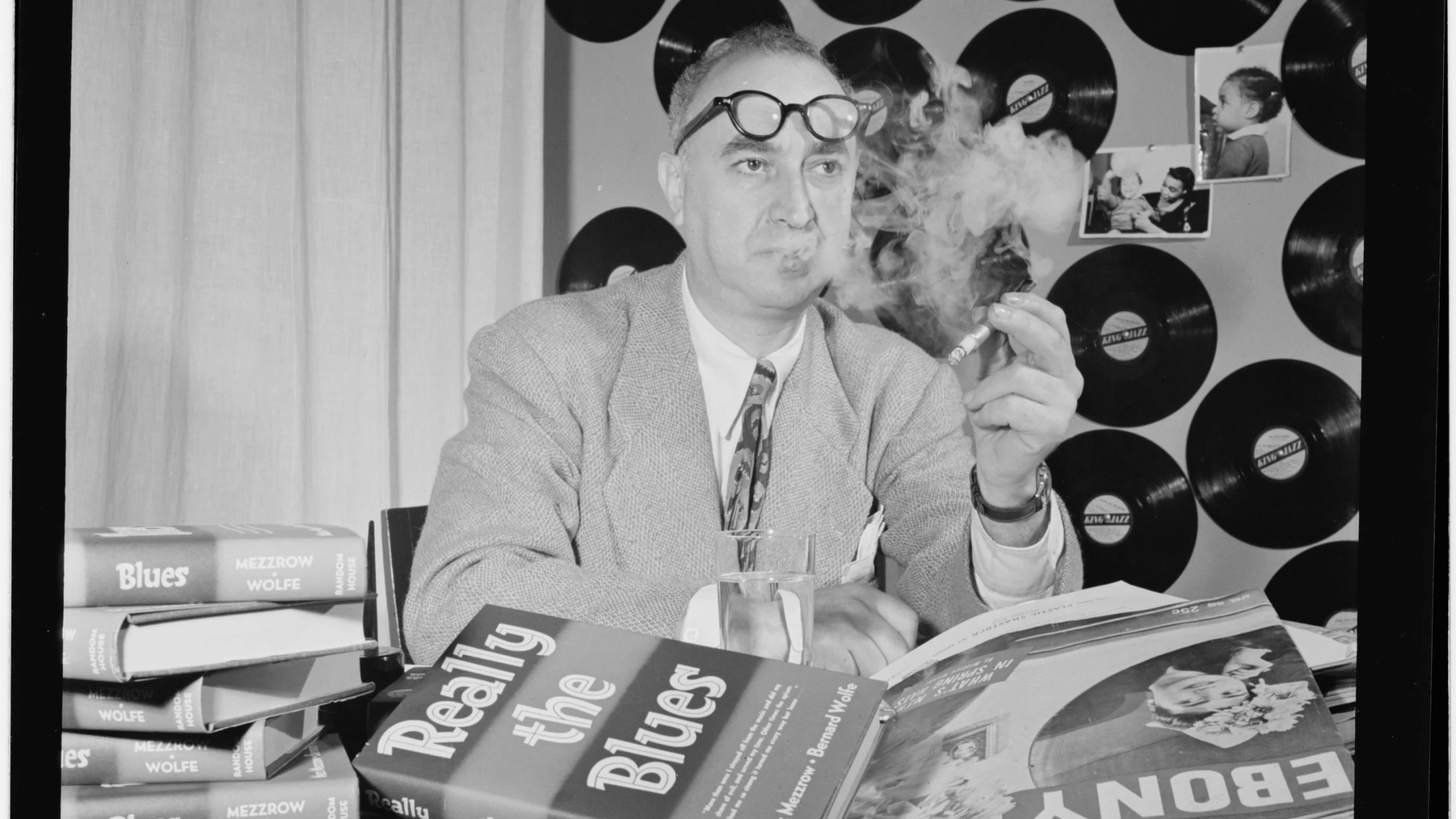
Meet Mezz
Milton “Mezz” Mezzrow was a clarinetist and saxophonist who moved through the Chicago and New York jazz scenes and played with musicians including Sidney Bechet.
But his reputation in 1930s Harlem was not based only on his clarinet.
Mezzrow also became famous for selling marijuana to musicians. His product apparently developed such a reputation that “mezz” or “mezzrow” itself entered jazz slang for marijuana or a marijuana cigarette.
Decades later he would describe much of this world openly in his 1946 autobiography Really the Blues.
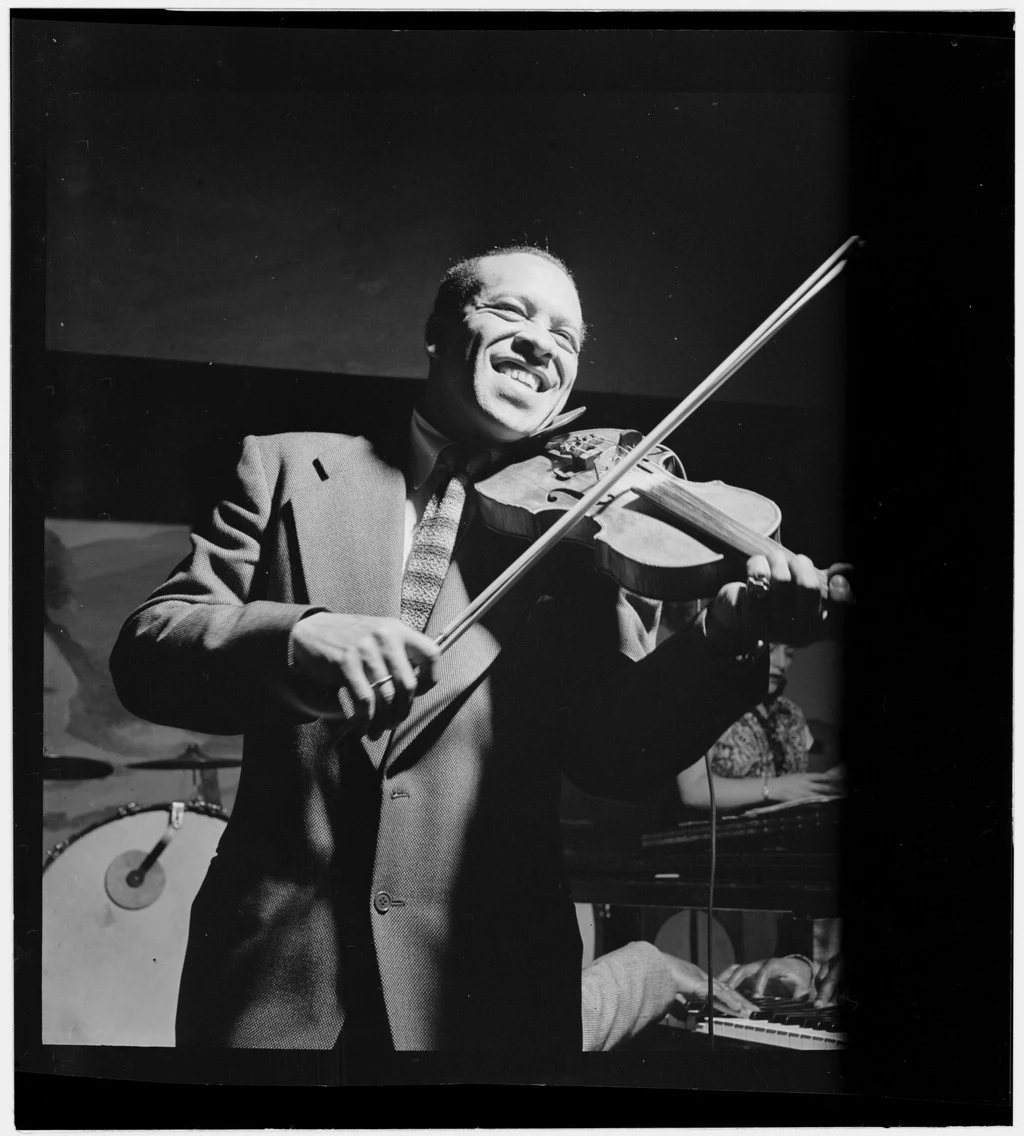
He was sufficiently well known inside the scene to be referenced in music. Stuff Smith’s famous If You’re a Viper contains a direct nod to “Mighty Mezz.”
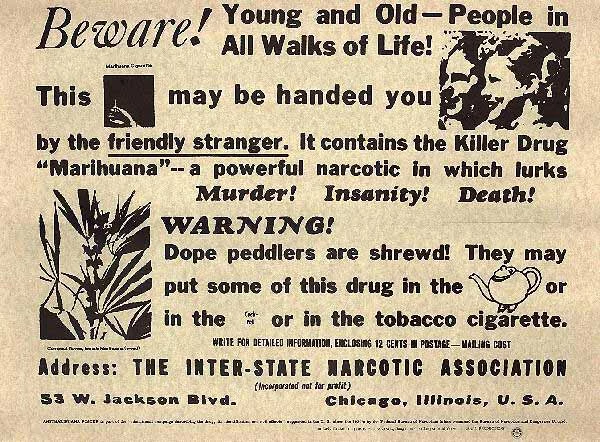
Before “Reefer Madness”
It is tempting to say that marijuana was simply legal during the early Jazz Age. The real history is more complicated.
There was no nationwide federal prohibition of marijuana during much of the 1920s and early 1930s. At the same time, individual American states had already begun passing their own restrictions and bans.
By the early 1930s marijuana was prohibited in many states, and federal policy changed dramatically with the Marihuana Tax Act of 1937, which placed cannabis under severe federal restriction through registration and taxation requirements.
So the viper culture existed during a transitional period.
Marijuana could be relatively easy to obtain in some places, yet illegal or increasingly targeted in others. Police raids and arrests were already very real. Louis Armstrong himself was arrested in California for marijuana possession in 1931.
In some jazz circles, marijuana developed a reputation as an alternative to heavy drinking. That does not mean every jazz musician smoked it — far from it — but the connection became visible enough to leave traces throughout the music and its language.
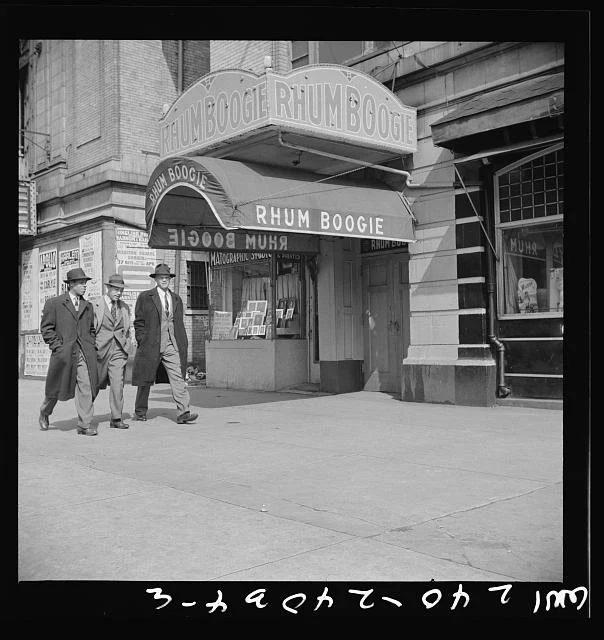
Tea pads: Harlem’s marijuana rooms
There were even places devoted largely to smoking it.
In Harlem they became known as tea pads.
These were usually private rooms or apartments rather than conventional nightclubs. Contemporary descriptions mention low lighting, comfortable furniture, music from radios, record players or jukeboxes, incense used to mask the smell, and groups of people sitting together and smoking.
A 1938 New Yorker report took readers inside one such Harlem tea pad and described “viper” as the local word for a marijuana smoker.
A few years later, investigators working on New York’s LaGuardia Committee study estimated that Harlem contained around 500 tea pads and at least 500 independent marijuana sellers.
The number was an estimate rather than a census, but it gives an idea of how established the culture had become by the early 1940s.
The descriptions are perhaps even more interesting than the numbers. Tea pads were portrayed less like chaotic dens and more like informal social rooms. People listened to music, talked, shared cigarettes and relaxed together.
Jazz and marijuana did not exist in exactly the same world — plenty of musicians did not smoke, and marijuana culture extended far beyond musicians — but the overlap was large enough to leave a remarkable musical record.
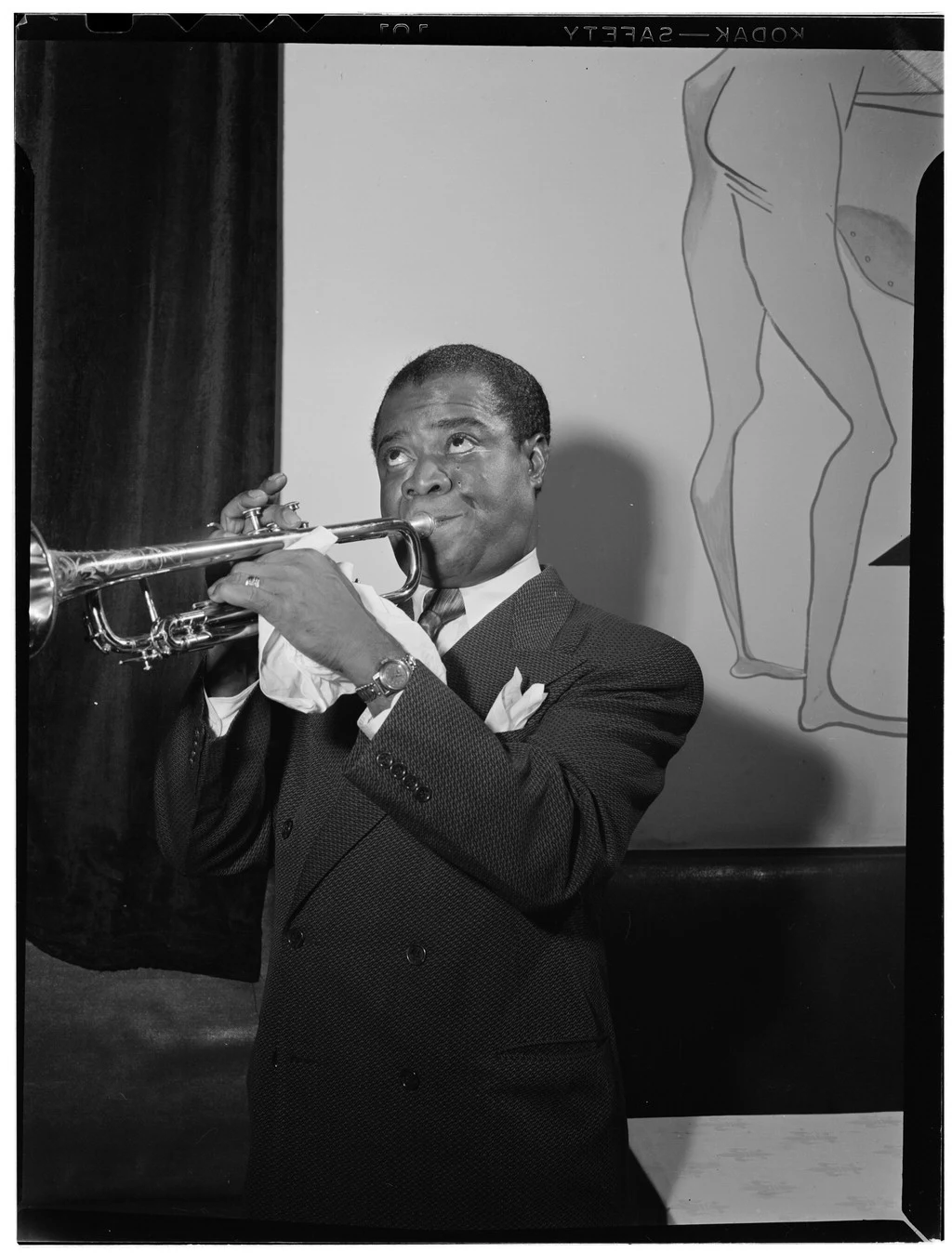
Louis Armstrong and “Muggles”
One of the clearest examples comes from Louis Armstrong.
In 1928 Armstrong and his Hot Five recorded an instrumental called Muggles. The title used contemporary slang for marijuana.
Armstrong also spoke openly later in life about his marijuana use and referred to himself and other smokers as “vipers.” His 1931 arrest did little to erase his affection for what he usually called gage.
And Armstrong was far from alone.
Marijuana references slipped into titles, lyrics and spoken passages throughout swing-era recordings. Sometimes they were obvious. Sometimes they functioned almost like an inside joke between musicians and listeners who understood the slang.
From Harlem to Django’s Paris
The language did not remain confined to Harlem.
American musicians carried jazz — and its vocabulary — across the Atlantic.
A particularly good example is violinist Stuff Smith, whose 1936 repertoire included both I’se a Muggin’ and If You’re a Viper.
That same year, Django Reinhardt and the Quintette du Hot Club de France recorded I’se a Muggin’ in Paris with American singer Freddy Taylor.
Freddy Taylor provides another remarkable connection.
In Paris in 1935, Freddy Taylor and His Swing Men from Harlem recorded Viper’s Dream, a composition associated with saxophonist and arranger Fletcher Allen. The tune later entered the Hot Club repertoire and became familiar to generations of gypsy-jazz musicians.
Viper’s Drag
Then there is Fats Waller.
Waller’s Viper’s Drag became one of the best-known instrumentals to preserve the word in its title.
Waller belonged to the same musical world in which double meanings, slang and marijuana references could move surprisingly freely between musicians, audiences and recordings.
A language hidden inside the music
This is perhaps the most interesting part of the story.
The marijuana culture surrounding early jazz did not leave behind only anecdotes about musicians getting high.
It left behind a language.
Some of these words disappeared. Others became part of general English. And several were permanently preserved in recordings that musicians are still playing almost a century later.
Once you know the vocabulary, old song titles begin to look different.
Viper’s Dream is no longer just a mysterious dream.
Viper’s Drag is no longer just an oddly named piano piece.
And I’se a Muggin’ belongs to a musical world in which Stuff Smith, Mezz Mezzrow, Louis Armstrong, Freddy Taylor and eventually Django Reinhardt were connected not only by jazz, but by the slang and culture travelling with it.